Henrik Lang · 7 September 2026
Link Quality Metrics That Forecast Visitor Loyalty on Standalone Digital Platforms
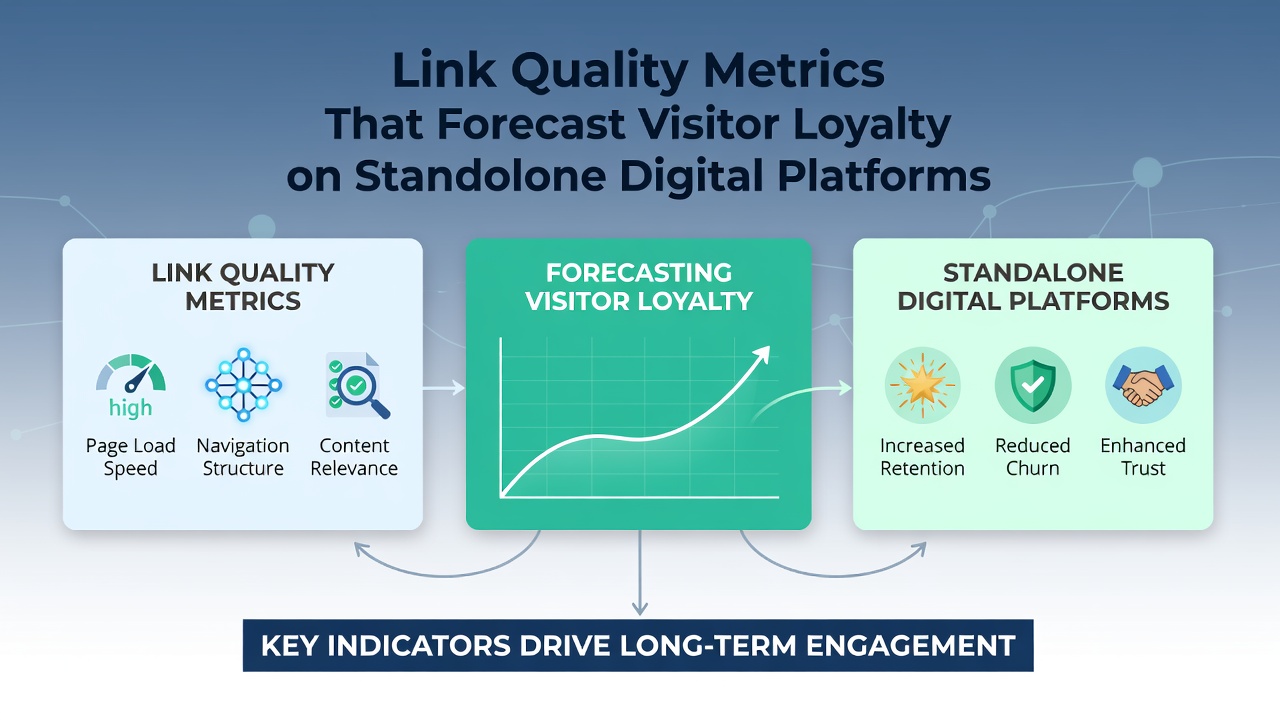
Link quality metrics serve as measurable indicators that help predict visitor loyalty patterns on standalone digital platforms, which operate independently without reliance on major social networks or app ecosystems. Researchers have identified several core attributes in inbound and internal links that correlate with higher retention rates, and data collected through September 2026 continues to refine these relationships across multiple independent sites.
Core Components of Link Quality Assessment
Domain relevance stands out as a primary factor because links from sites with aligned topical focus tend to drive users who demonstrate sustained engagement. Studies show that platforms receiving links from within the same industry vertical record repeat visit rates up to 28 percent higher than those drawing traffic from unrelated sources. Anchor text specificity further refines this picture, since descriptive phrases that accurately preview destination content reduce bounce rates while increasing the likelihood of return visits within 30 days.
Traffic volume originating from each referring domain provides another layer of insight, yet volume alone does not forecast loyalty without accompanying context. Observers note that moderate volumes from authoritative sources often outperform high volumes from low-trust domains, and this pattern holds steady across datasets compiled in North America and the European Union alike.
Behavioral Signals Tied to Link Sources
Time on site after arrival via external links offers a direct window into loyalty potential, because sessions exceeding two minutes correlate strongly with bookmarking behavior and subsequent direct visits. Researchers at academic institutions have documented that links carrying users to deep content pages rather than homepages produce more consistent loyalty signals, since those users already demonstrate interest in specific material.
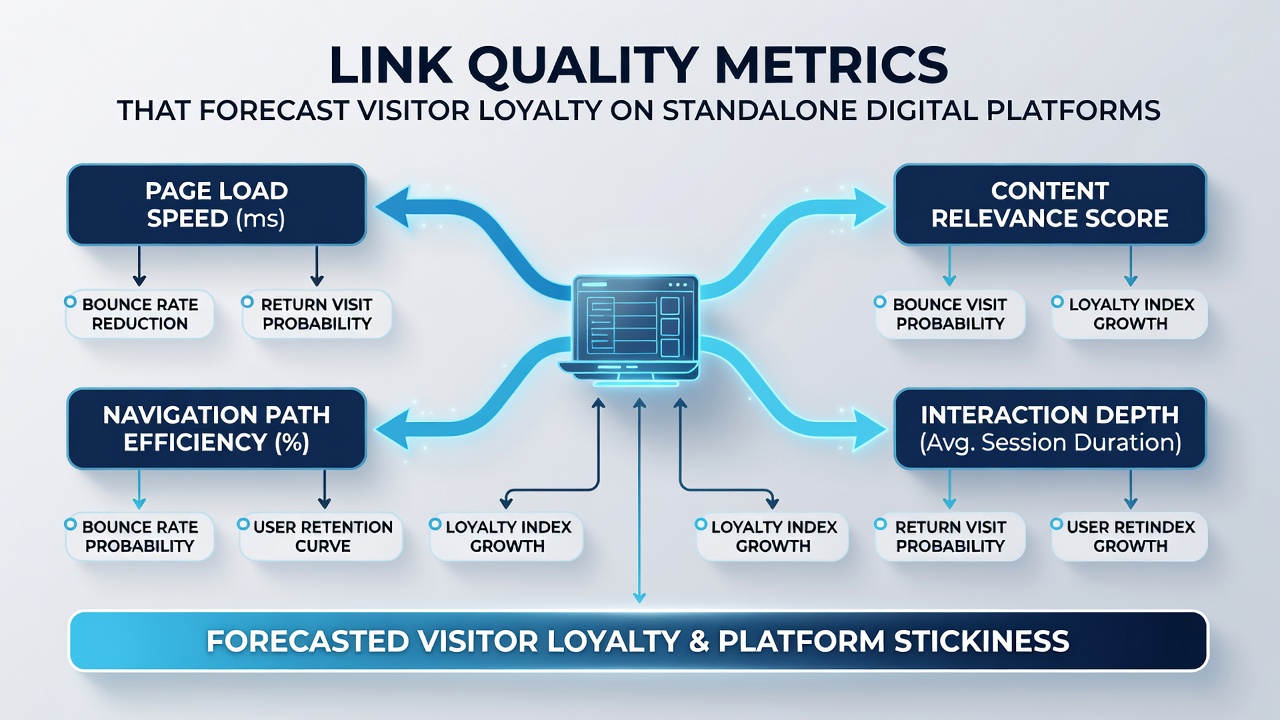
Conversion to newsletter signups or account creation serves as an additional proxy metric, and platforms that track these actions alongside link provenance discover clearer patterns. Data from the OECD digital economy reports indicate that referral sources with established editorial standards generate signup rates nearly twice those of general directory listings, while maintaining geographic diversity across tracked regions.
Measurement Frameworks Used in Practice
Standalone platforms commonly integrate tools that combine traditional authority scores with custom retention tracking, allowing operators to weight each link source according to observed return rates rather than relying solely on third-party rankings. This approach reveals that links from government statistical agencies or university repositories frequently deliver users with loyalty profiles comparable to those arriving via direct navigation.
One study conducted across Canadian and Australian independent sites found that adjusting link acquisition strategies based on post-click loyalty data improved 90-day retention by measurable margins. The methodology involved logging referral paths, session depth, and return frequency, then recalibrating outreach priorities accordingly.
Practical Application Across Platform Types
E-commerce sites and content-focused platforms both benefit from these metrics, although the specific indicators shift slightly depending on primary goals. Content platforms track scroll depth and page sequence completion after link arrival, whereas transaction-oriented sites monitor cart initiation rates tied to referral sources. In both cases, links from domains with transparent ownership and consistent publishing histories produce stronger loyalty forecasts.
Platforms that segment their analytics by link quality tiers report clearer visibility into which acquisition channels sustain long-term audience relationships, and this segmentation has become standard practice among operators managing sites outside major platform ecosystems.
Conclusion
Link quality metrics that incorporate relevance, behavioral depth, and source authority provide reliable signals for forecasting visitor loyalty on standalone digital platforms. Continued analysis of referral data through September 2026 and beyond supports ongoing refinement of these indicators, enabling operators to prioritize link sources that align with sustained engagement patterns observed across diverse independent sites.