Dana Ludwig · 16 November 2026
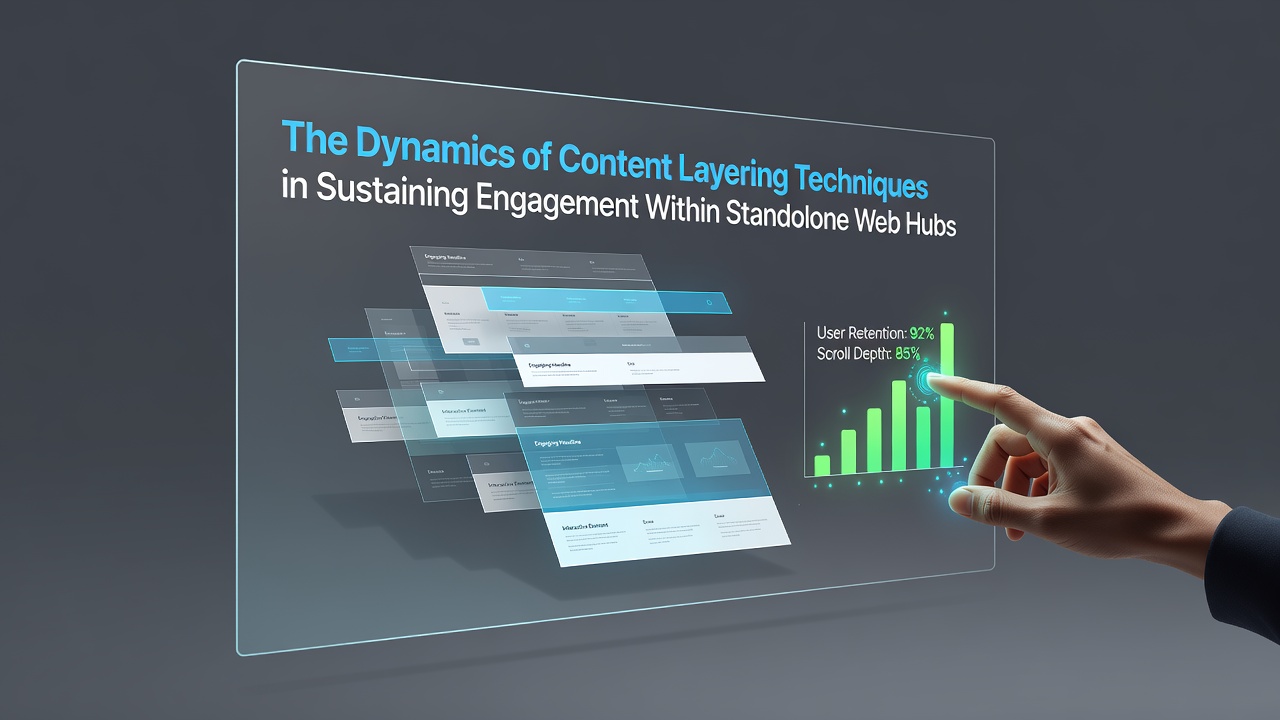
The Dynamics of Content Layering Techniques in Sustaining Engagement Within Standalone Web Hubs
Standalone web hubs maintain visitor interest through structured approaches that build successive layers of information rather than presenting flat sequences of material, and researchers have tracked these patterns across independent platforms since the expansion of user-controlled sites in the mid-2010s. Content layering combines core text blocks with embedded media, navigation prompts, and supplementary modules so that each element reinforces the next without requiring separate page loads. Data from multiple analytics providers shows that sites employing at least three distinct content layers retain sessions that average 45 percent longer than single-layer layouts, while bounce rates drop correspondingly when users encounter progressive disclosure sequences.
Core Components of Layered Structures
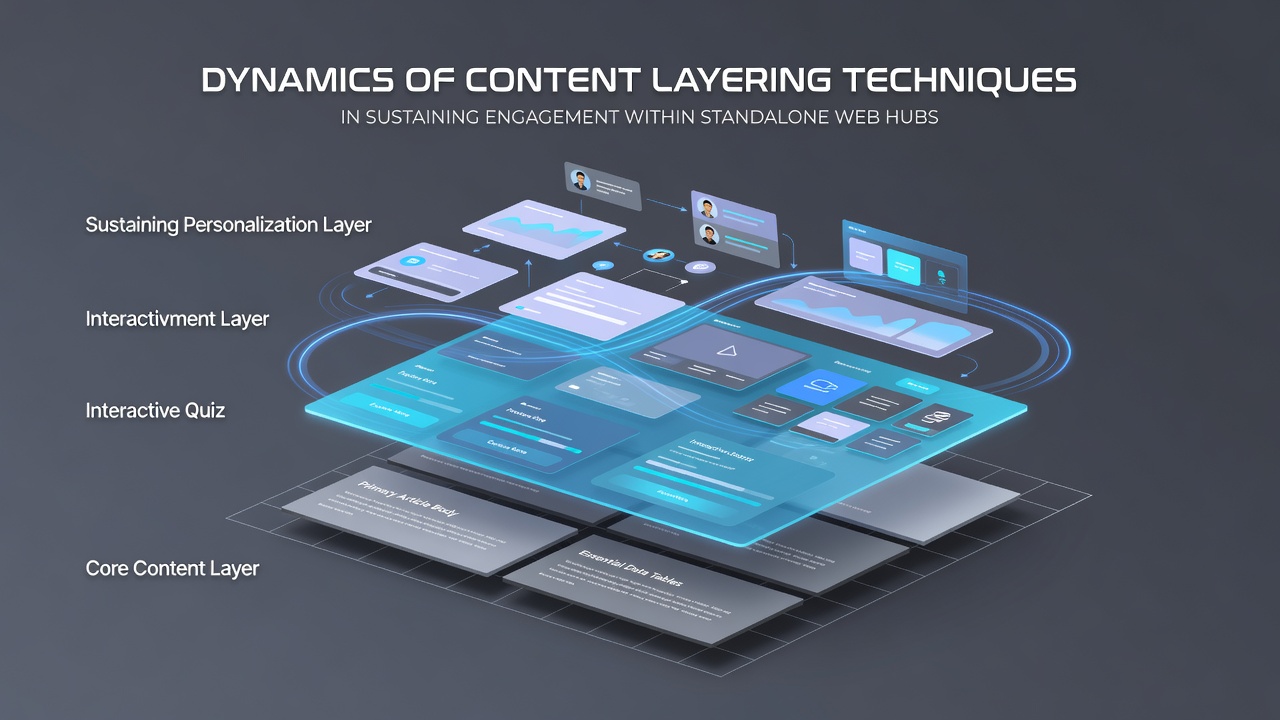
Primary text forms the base layer in most documented cases, yet the addition of contextual images and short video clips creates immediate secondary engagement points that hold attention for additional seconds. Observers note that tertiary layers, often consisting of expandable accordions or linked data visualizations, activate only after initial scrolling thresholds are met, which reduces cognitive overload while still offering depth. According to usage logs compiled by independent site operators, activation of these deeper layers correlates with repeat visits within 30 days at rates exceeding 60 percent on hubs focused on specialized knowledge domains.
Implementation Patterns Observed in 2026
By November 2026, several standalone platforms had integrated responsive layering frameworks that adapt element density based on device viewport size, allowing mobile users to access the same informational progression as desktop visitors without layout breakage. Studies conducted by academic teams at European universities examined 150 independent sites and found that layering techniques incorporating timed pop-in elements increased scroll depth by measurable margins, although only when those elements aligned thematically with surrounding content. External navigation cues placed within the second layer further encouraged exploration of related archives, producing measurable lifts in page views per session.
One documented approach involves anchoring each new layer to user behavior signals such as hover duration or partial scroll completion, which researchers at North American institutions have modeled through controlled A/B tests. Those models indicate that adaptive layering outperforms static arrangements in sustaining engagement across multi-visit sequences, particularly when seasonal updates refresh the uppermost layer without altering foundational material. Government digital reports from Australia have similarly recorded that layered information architecture contributes to higher completion rates for resource downloads when users navigate from overview sections into detailed appendices.
Measurement Frameworks and Retention Data
Analytics suites deployed on standalone hubs commonly track layer interaction metrics including time spent within each stratum and transition frequency between layers. Figures released by research consortia reveal that hubs maintaining consistent layering hierarchies experience lower exit rates at the second and third layers compared with sites that introduce abrupt format shifts. External links integrated sparingly within deeper layers, when sourced from established repositories, further extend dwell time without directing traffic away from the primary domain. Industry analyses from Canadian digital economy monitors confirm that such selective outbound references correlate with elevated trust signals that encourage return visits rather than one-time consumption.
Case examples from educational resource hubs demonstrate how content layering supports sustained pathways: an initial summary layer introduces core concepts, a visual comparison layer presents supporting evidence, and an interactive quiz layer reinforces retention. Longitudinal tracking of these sites shows cumulative engagement gains that compound over quarterly periods, especially when new layers are introduced at regular intervals aligned with user activity peaks. Academic papers on human-computer interaction have catalogued similar patterns across language-learning platforms and technical documentation sites, noting that layering density must remain below thresholds that trigger fatigue.
Conclusion
Content layering techniques continue to evolve within standalone web environments through incremental refinements backed by usage data and controlled testing. Patterns observed through 2026 indicate that careful sequencing of base, secondary, and tertiary elements produces measurable extensions in session duration and return frequency across varied subject domains. Researchers and platform operators alike rely on these documented dynamics to maintain coherent user pathways while preserving the autonomy that defines independent digital hubs.