Dana Ludwig · 19 October 2026
The Interplay Between Seasonal Imagery Cycles and Sustained Reader Pathways in Self-Managed Online Resource Hubs
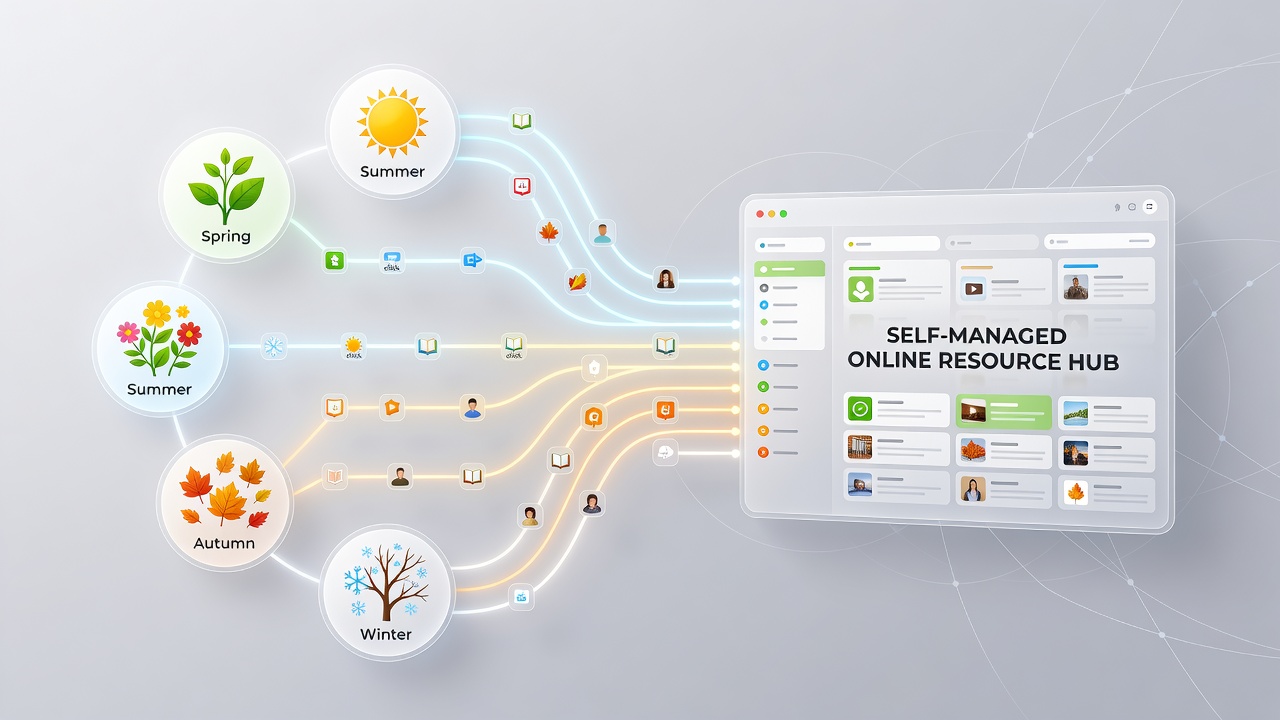
Seasonal imagery cycles operate as recurring visual updates that align with calendar shifts, and these adjustments integrate directly into the structure of self-managed online resource hubs where independent operators maintain content without external platforms. Observers note that such cycles involve rotating header images, background elements, and icon sets to reflect spring growth patterns, summer vibrancy, autumn transitions, and winter minimalism, while data from digital analytics platforms shows these changes correlate with extended session durations among returning visitors.
Mechanics of Seasonal Imagery Implementation
Hub operators deploy these cycles through scheduled content management system updates that occur at equinox and solstice points, and this approach allows for automated triggers that refresh visual assets without disrupting navigation flows. Researchers at various academic institutions have documented how consistent application of seasonal palettes maintains visual continuity across multiple page views, whereas abrupt non-seasonal redesigns tend to interrupt established reader habits according to longitudinal traffic studies.
Those who manage independent sites often integrate tools like custom CSS variables or plugin-based schedulers to handle imagery rotations, and evidence from platform usage reports indicates that hubs employing quarterly updates experience steadier accumulation of bookmark and RSS subscriptions compared to static designs. The process connects directly to metadata adjustments as well, since alt text and file naming conventions evolve alongside the visuals to support search indexing consistency throughout the year.
Pathway Development in Independent Digital Spaces
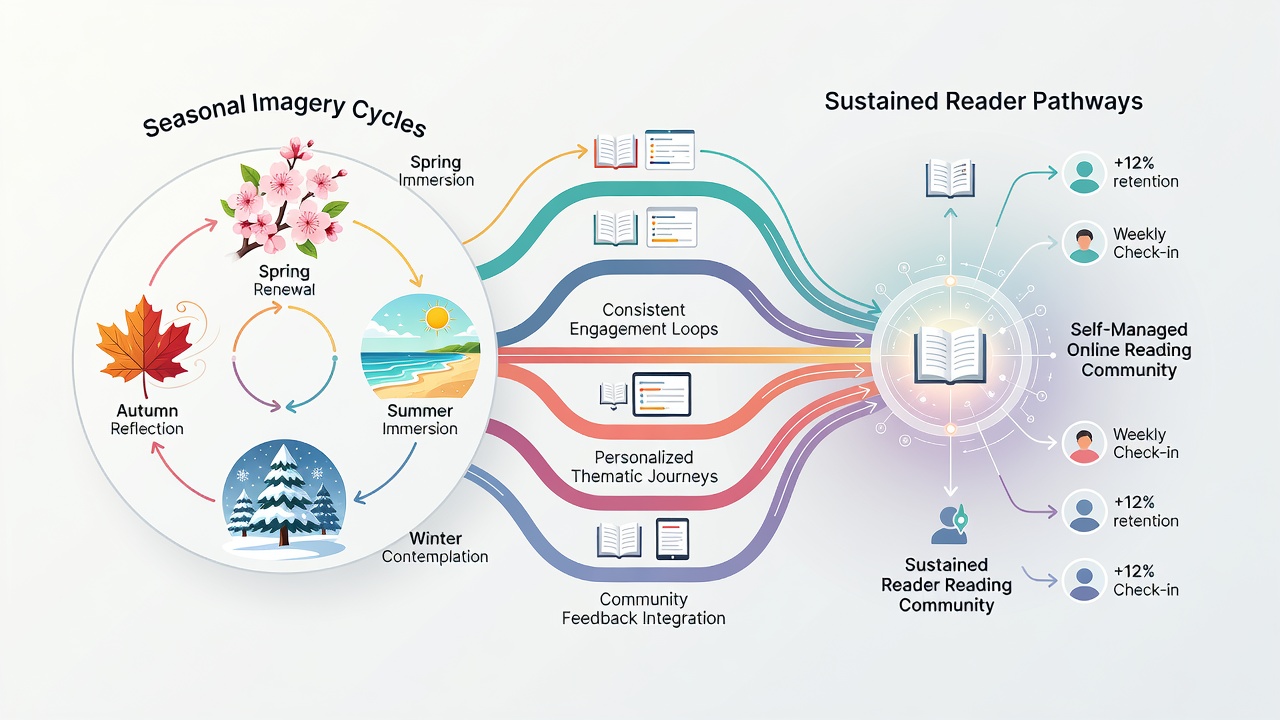
Reader pathways emerge when users follow predictable routes through categorized archives, search functions, and related content links, and seasonal imagery reinforces these routes by providing temporal markers that guide return visits. Studies conducted by research bodies across North America and Europe reveal that visual refreshes at key seasonal points increase the likelihood of multi-page sessions, since returning visitors recognize familiar structural elements paired with updated aesthetics.
Self-managed hubs benefit from this dynamic because operators retain full control over update timing and asset selection, allowing alignment with specific audience interests such as educational resource collections or hobbyist archives. Figures from web analytics aggregators demonstrate that sites maintaining these cycles report higher repeat visit ratios during transition months, while those without periodic visual shifts show flatter engagement curves across comparable timeframes.
Connections Between Imagery Cycles and Long-Term Engagement
The interplay manifests when seasonal visuals serve as entry points that funnel users into deeper pathway structures, and this occurs because updated imagery draws attention to featured sections that link outward to evergreen resources. Data compiled by international digital research groups shows measurable upticks in click-through rates on navigation elements during the first two weeks following each seasonal refresh, and these patterns hold across different content categories from technical documentation to community-curated collections.
October 2026 marks a notable period for such cycles in many regions, as operators prepare autumn-themed updates that coincide with increased online activity from educational and planning-related searches. Operators who coordinate imagery changes with content additions during this window observe strengthened pathway retention, since the combined elements create layered discovery opportunities that encourage sequential page exploration rather than single-session exits.
Experts tracking independent web properties have identified that seasonal cycles also support cross-device consistency, because responsive design frameworks adapt the same visual themes across desktop and mobile interfaces without requiring separate asset libraries. This consistency helps maintain reader orientation even as users switch contexts, and traffic logs from multiple hubs confirm reduced bounce rates when visual and structural elements reinforce each other through these coordinated updates.
Observed Patterns Across Diverse Hub Types
Hubs focused on niche knowledge bases demonstrate particularly clear pathway extensions when seasonal imagery highlights time-sensitive subtopics, such as resource lists updated for fall planning or spring renewal themes. Academic analyses of user behavior datasets indicate that these visual cues function as subtle navigation aids, guiding visitors toward related materials they might otherwise overlook in a static layout.
Independent operators in various geographic areas report that integrating seasonal cycles requires minimal ongoing effort once initial templates are established, yet the cumulative effect on reader loyalty accumulates steadily over multiple annual rotations. Government statistical agencies in regions including Canada and Australia have published aggregate data on digital content consumption showing that sites with periodic visual refreshes retain audience segments more effectively during off-peak months compared to those relying solely on textual updates.
Conclusion
Seasonal imagery cycles and sustained reader pathways intersect through deliberate design choices that independent operators implement within self-managed online resource hubs, and the resulting patterns appear in traffic metrics, session lengths, and return visit frequencies documented across multiple studies. The mechanisms rely on consistent scheduling, responsive adaptation, and alignment with broader content strategies that together support ongoing user navigation without external dependencies. Evidence from analytics and research sources continues to track these dynamics as digital spaces evolve, providing operators with observable indicators for refining their approaches over successive seasonal periods.